The Importance of Skill Sharing in Creative Communities
In today's rapidly evolving creative landscape, skill sharing has emerged as a vital practice among hobby communities. This article explores why skill sharing is crucial, the benefits it offers, and how it fosters collaboration and growth.
Understanding the Basics of Skill Sharing
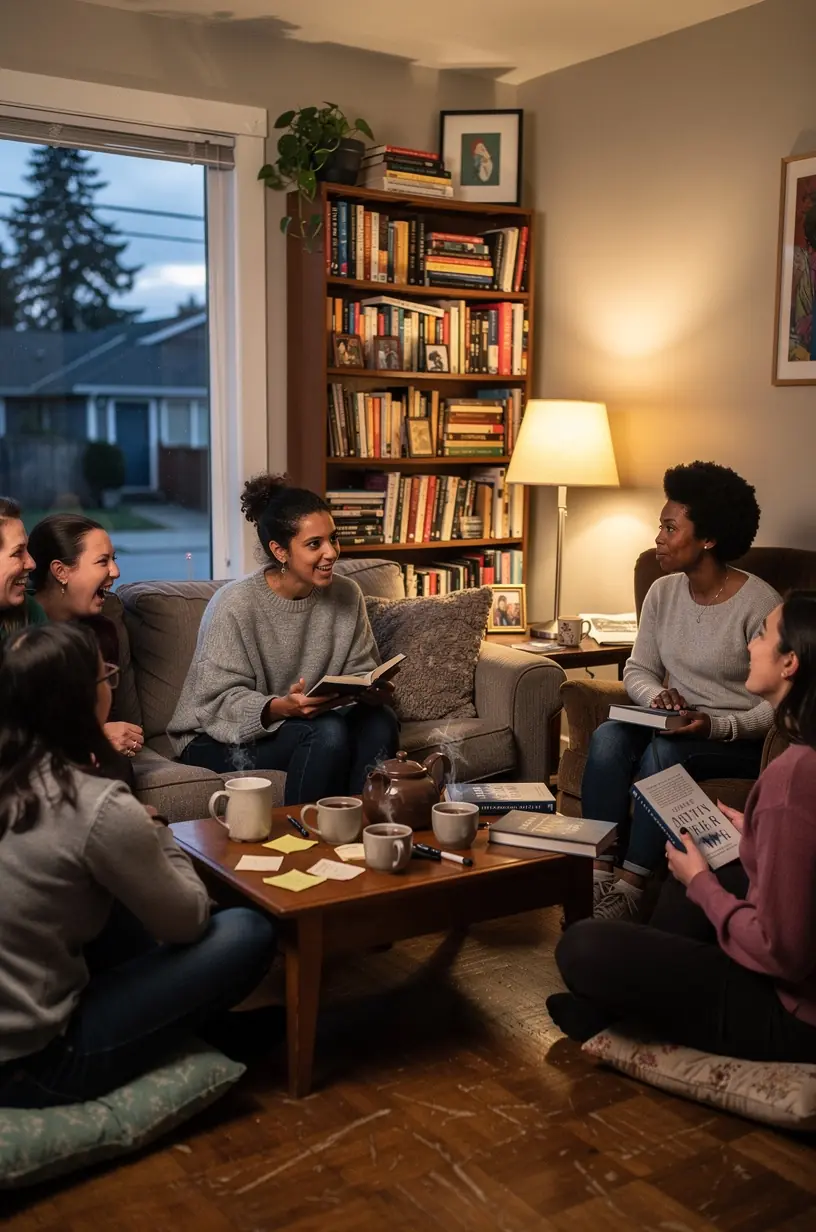
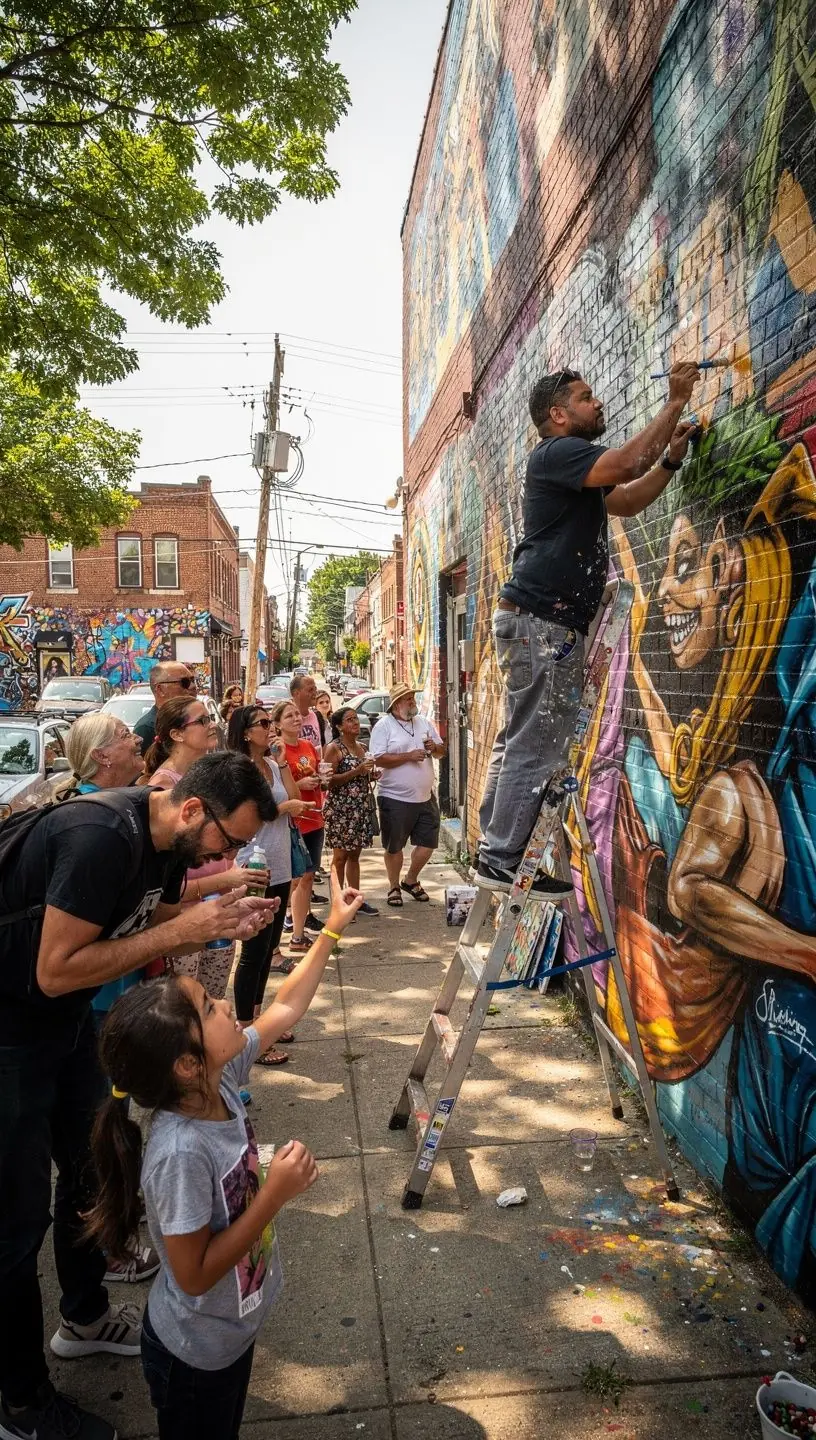
Skill sharing typically refers to the practice where individuals exchange knowledge and expertise in various creative fields. According to research from the National Endowment for the Arts, participation in creative activities is linked to enhanced well-being and community cohesion. This is particularly true in environments where individuals feel comfortable sharing their skills and learning from one another.
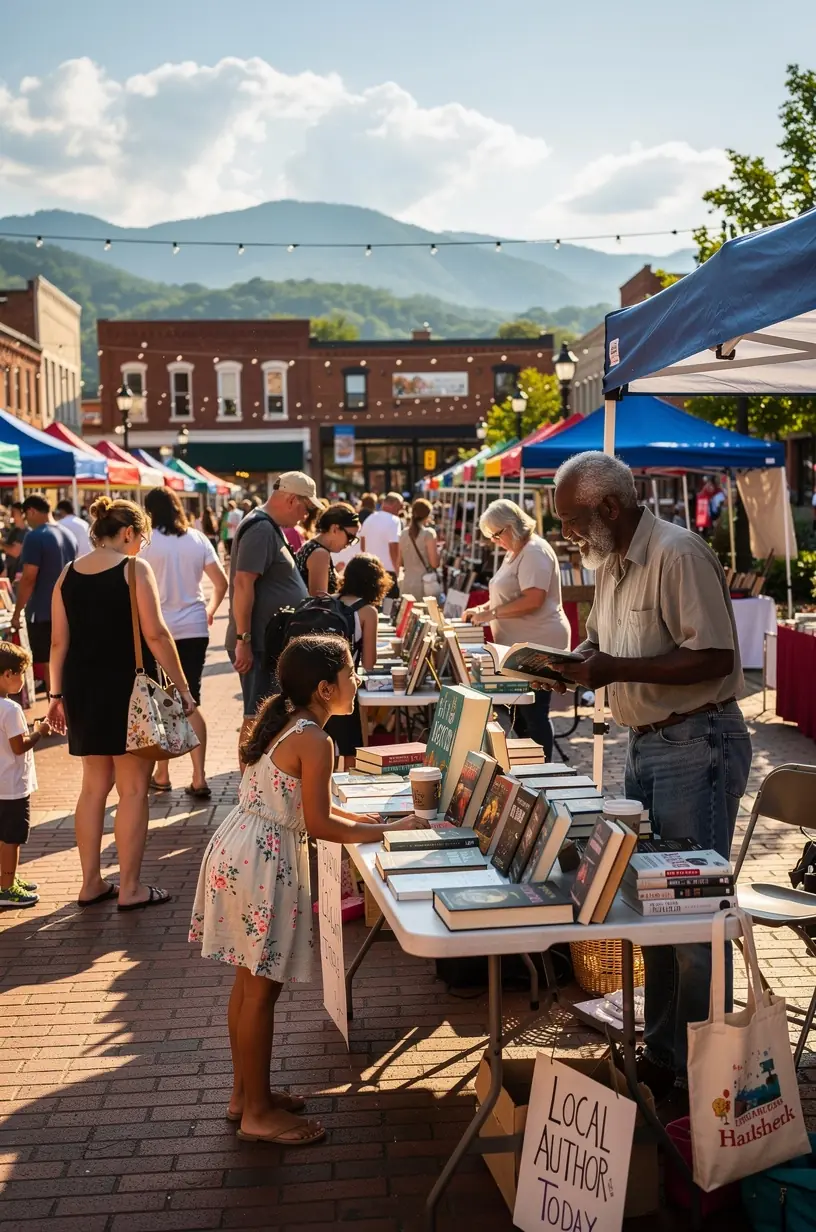
"Communities that embrace skill sharing often experience an increase in creativity and collaboration, leading to innovative outcomes." - Industry Expert
Benefits of Skill Sharing
- Enhanced Learning Opportunities: Participating in skill-sharing sessions allows individuals to acquire new techniques and insights. Many users report that learning from peers often complements traditional education methods.
- Community Building: Skill sharing fosters a sense of belonging. Research indicates that when people come together to learn, it creates stronger connections and networks, which can lead to collaborative projects.
- Resource Optimization: By sharing skills, communities can minimize the costs associated with professional training. This is particularly beneficial for individuals looking to develop their skills without significant financial investment.
How to Effectively Share Skills
Implementing a skill-sharing framework in your community can be done effectively through several steps:
- Identify Skills: Gather input from community members to understand what skills they can share and what skills they want to learn.
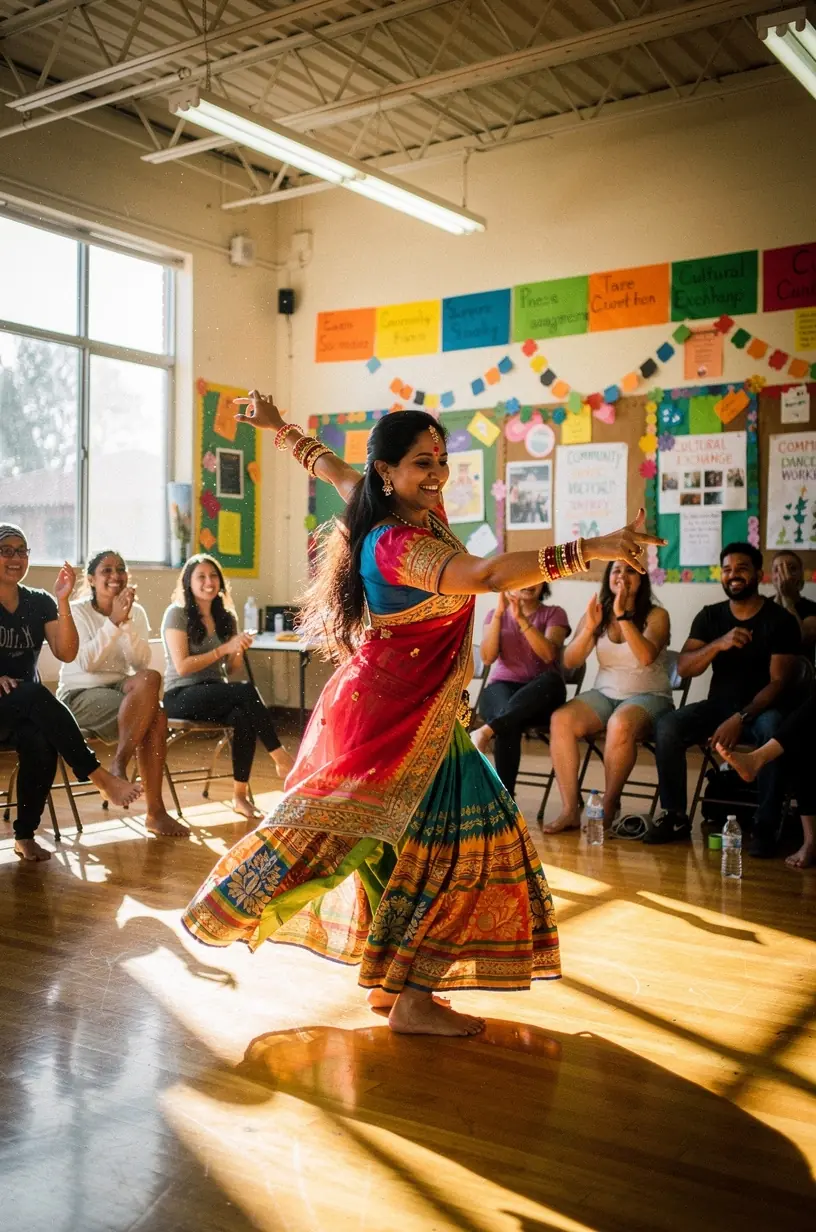
- Organize Workshops: Set up regular workshops or meet-ups that allow for hands-on learning. According to experts in community engagement, these sessions should be structured yet informal to encourage participation.
- Use Digital Platforms: Utilize online platforms to facilitate virtual skill sharing. Many communities have found success using social media groups or dedicated websites to connect members.
Challenges and Limitations
While skill sharing offers numerous benefits, it's important to acknowledge some potential challenges:
- Time Commitment: Engaging in skill sharing often requires consistent participation. This can typically take a few hours a week, which may not be feasible for everyone.
- Expertise Levels: It's essential to recognize that not all skill sharers will have the same level of expertise. This may lead to varying quality in workshops or sessions, emphasizing the need for clear communication regarding expectations.
- Emotional Barriers: Some individuals may feel insecure about sharing their skills, fearing they’re not "good enough." Addressing these concerns is crucial for creating an inclusive environment.
Conclusion
Skill sharing in creative communities is a powerful tool for personal and collective growth. By fostering an environment where individuals feel empowered to share their knowledge, communities can enhance creativity, build stronger connections, and optimize resources. While there are challenges to navigate, the overall benefits of skill sharing often outweigh the drawbacks. By taking a thoughtful approach to skill sharing, communities can cultivate a supportive and innovative atmosphere.
Discover More