Exploring the Benefits of Participatory Arts Programs
Participatory arts programs offer a unique platform for individuals to engage creatively within their communities. This article explores the multifaceted benefits of these programs, highlighting how they foster social connections, enhance personal development, and contribute to community cohesion.
Understanding Participatory Arts
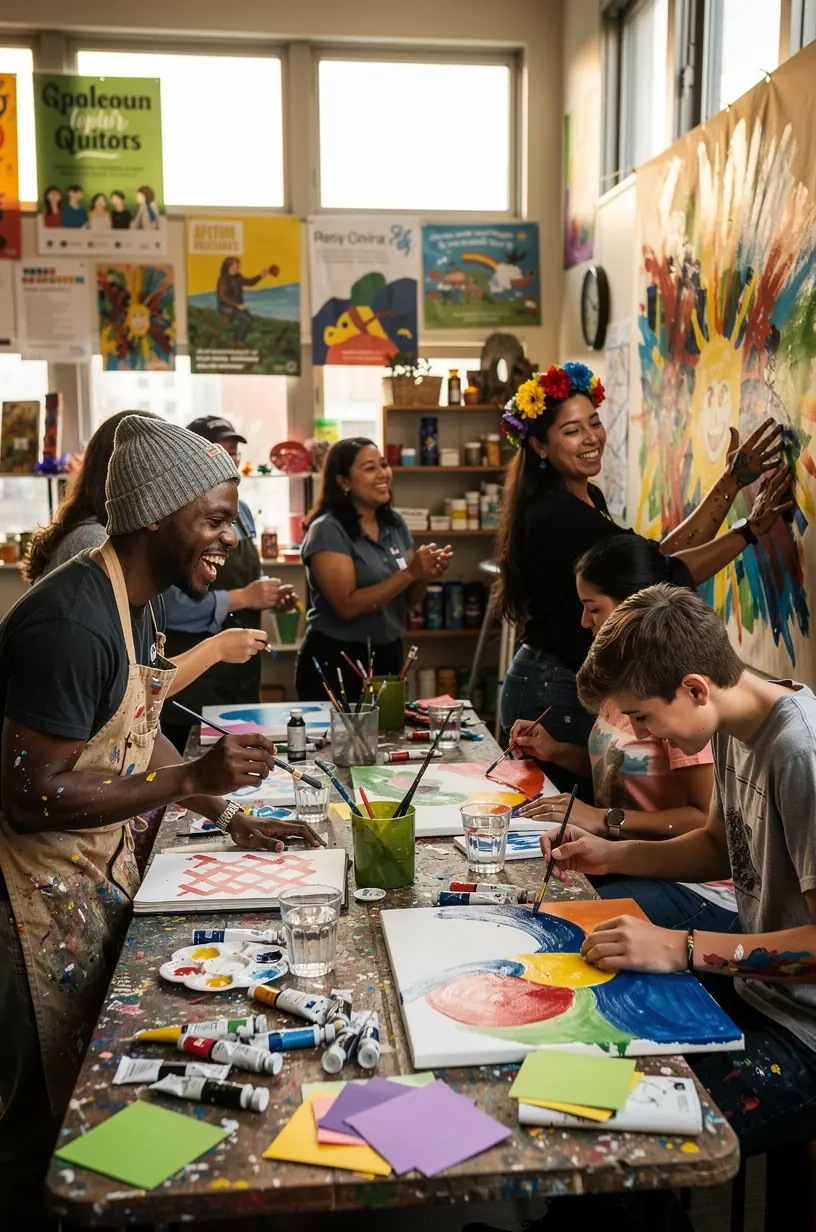
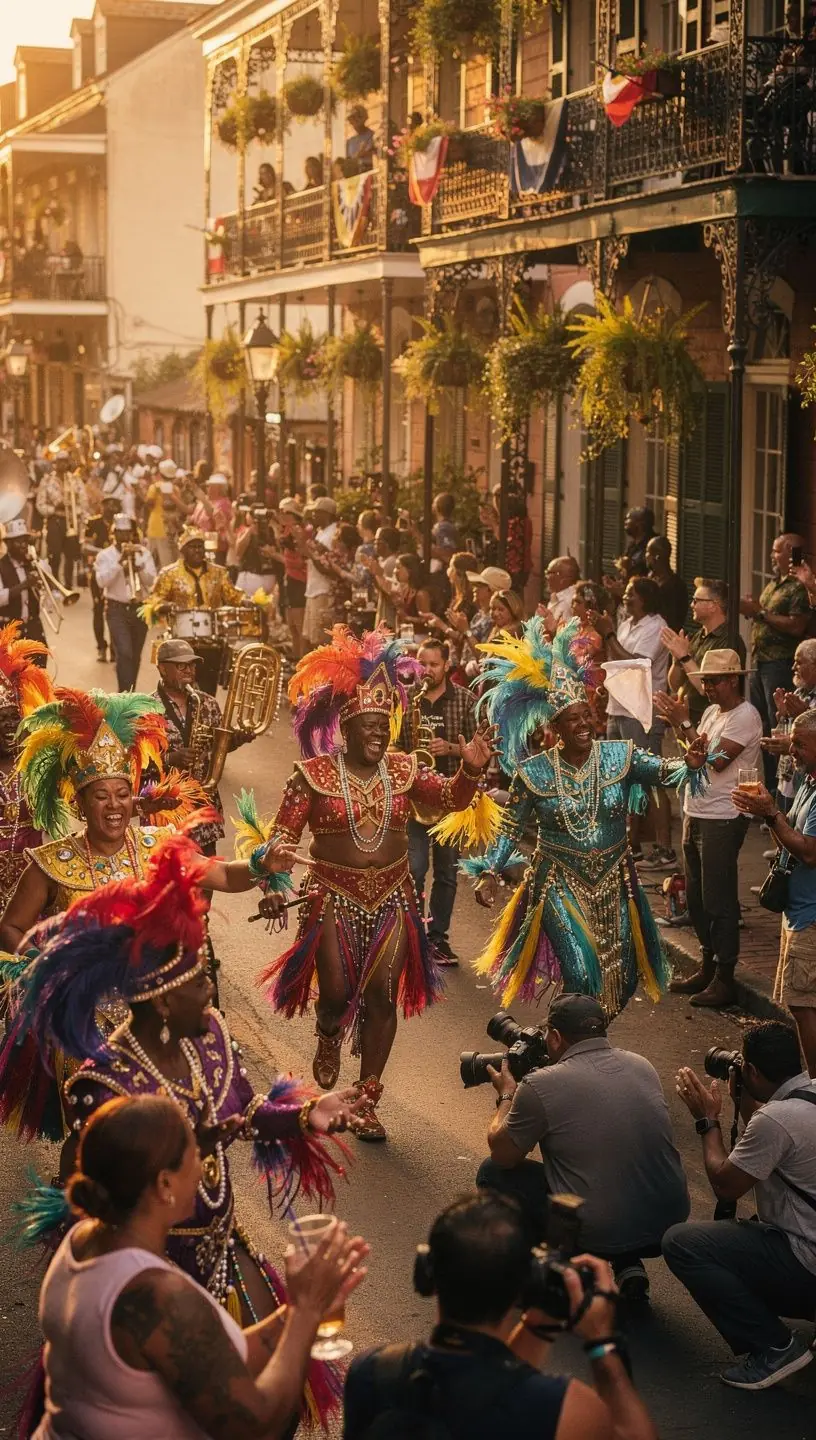
Participatory arts encompass a variety of creative activities that involve community members actively engaging in the artistic process rather than merely being passive spectators. According to research conducted by the National Endowment for the Arts, programs that encourage active participation have been shown to promote significant social interaction and community bonding.
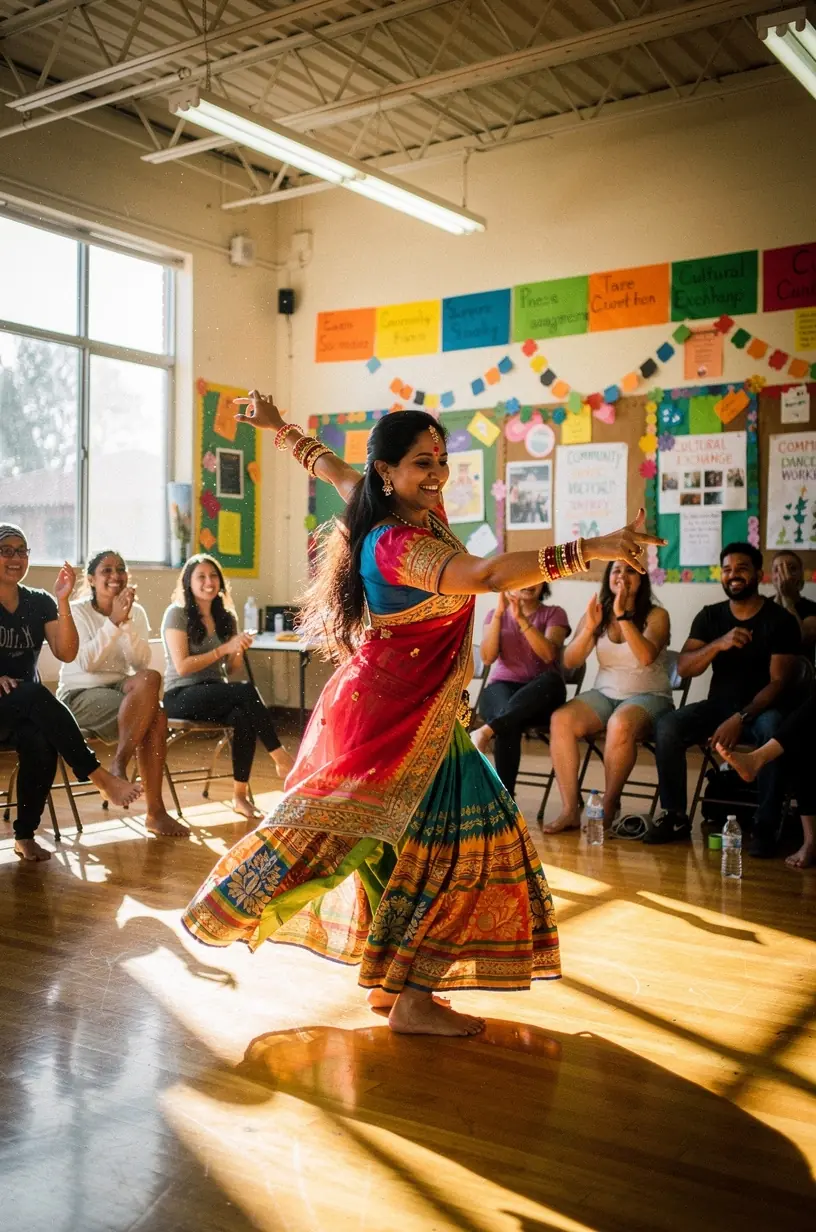
"Participatory arts programs can cultivate deeper connections between individuals, fostering a sense of belonging and collective identity." - National Endowment for the Arts
Benefits of Participatory Arts Programs
The advantages of engaging in participatory arts are numerous and can be categorized into several key areas:
- Enhanced Social Connections: Many users report that participation in arts initiatives often leads to lasting friendships and networks. Studies demonstrate that social bonds formed through collaborative projects can significantly improve community well-being.
- Personal Growth: Participatory arts programs typically encourage self-expression and creativity, which can lead to increased self-confidence and personal development. Research indicates that individuals who engage in creative activities often experience higher levels of emotional resilience.
- Community Engagement: These programs play a vital role in fostering community pride and involvement. According to industry experts, when individuals work together on artistic projects, they cultivate a shared sense of purpose and ownership in their community.
How Participatory Arts Programs Work
In most cases, participatory arts programs are structured around several key principles:
- Inclusivity: Many programs are designed to be accessible to individuals of all skill levels, making it easy for anyone to join in and express their creativity.
- Collaboration: The methodology often involves group activities where participants collaborate on projects, allowing for diverse perspectives and ideas to merge, leading to richer outcomes.
- Facilitated Learning: These initiatives typically include guidance from experienced facilitators who help participants navigate the creative process, ensuring a supportive environment that encourages experimentation and growth.
Challenges and Considerations
While participatory arts programs offer numerous benefits, they do require a commitment of time and effort. For example, participants may need to dedicate several hours per week over a period of months to fully engage with the program. Additionally, the effectiveness of these programs often hinges on the initial interest and enthusiasm of the participants. It is essential for individuals to approach these opportunities with an open mind and a willingness to collaborate.
Conclusion
Participatory arts programs provide valuable opportunities for community engagement, personal growth, and social connection. By facilitating creative expression and collaboration, these initiatives can transform the way individuals interact with one another and their environment. While the commitment may involve a learning curve and consistent effort, the potential benefits for both individuals and communities make these programs a worthwhile endeavor. Ultimately, fostering such creative engagements can lead to stronger, more vibrant communities across the United States.
Discover More