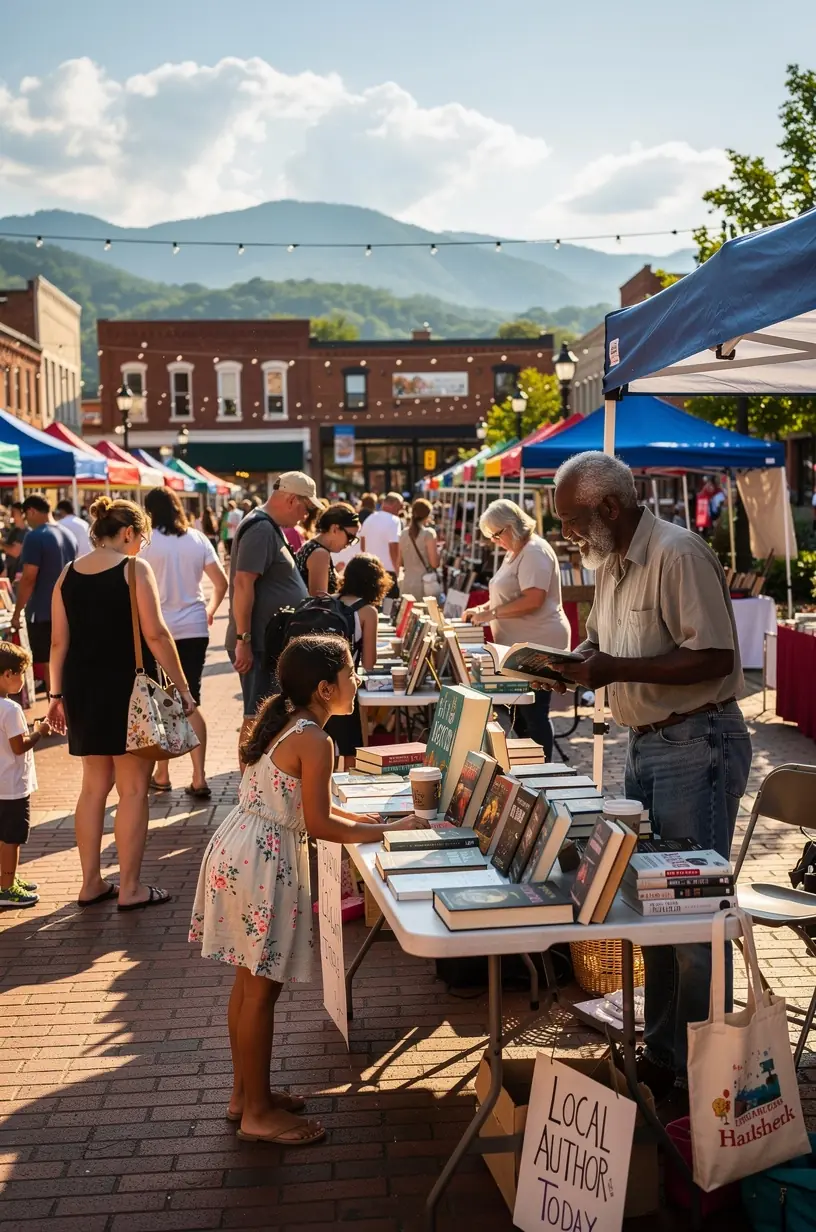
The Impact of Volunteerism on Community Engagement
Volunteerism plays a crucial role in fostering community engagement across the United States. By understanding how volunteering influences social interaction, resource sharing, and civic involvement, individuals and organizations can leverage these benefits to build stronger, more connected communities.
Understanding the Basics
Volunteerism is defined as the act of donating time and effort to help others without financial compensation. According to research from the Corporation for National and Community Service, over 77 million people engage in volunteer activities annually in the U.S. This engagement is often linked to increased social cohesion, improved mental health, and enhanced community resilience.

"Communities with high levels of volunteerism are typically more vibrant, with residents actively participating in local decision-making and events." - National Volunteerism Study
How Volunteerism Enhances Community Engagement
Research indicates that volunteering can lead to significant community engagement benefits. Here are some key factors:
- Building Relationships: Volunteering often brings together diverse groups of people, fostering new friendships and networks that can lead to collaborative community efforts.
- Empowering Individuals: Many users report feeling a sense of purpose and belonging through volunteer work, which can motivate them to participate more actively in community initiatives.
- Resource Sharing: Volunteer organizations often facilitate resource and information sharing among community members, effectively enhancing local support systems.
Practical Applications of Volunteer Programs
To maximize the effectiveness of volunteerism in enhancing community engagement, consider the following steps:
- Identify Community Needs: Conduct assessments to understand the specific needs of your community. This helps in tailoring volunteer programs that address real issues.
- Encourage Diverse Participation: Promote inclusivity by reaching out to different demographic groups. This not only enriches the volunteer experience but also ensures varied perspectives in addressing community challenges.
- Foster Long-Term Commitment: Although many volunteer programs see high initial participation, maintaining engagement often requires ongoing motivation and support. Establishing recognition programs or offering training can help sustain volunteer involvement.
Acknowledging Limitations
While volunteerism has clear benefits, it is essential to recognize its limitations. Programs typically require a time commitment that varies based on the type of engagement, with many individuals needing 2-4 weeks to adjust to new roles. Additionally, not every volunteer initiative will yield immediate results; studies show that sustained engagement may take several months to produce observable community improvements.
Conclusion
Volunteerism serves as a powerful tool for enhancing community engagement. By understanding the principles behind volunteer efforts and adopting strategies that promote inclusivity and resource sharing, communities can create lasting connections among their residents. While challenges exist, the potential for positive change through volunteerism is substantial. By engaging thoughtfully and consistently, we can foster environments that not only celebrate volunteerism but also ensure its effectiveness in building stronger communities.
Discover More