Exploring the Intersection of Cultural Identity and Participation
Cultural identity is a multifaceted concept that shapes our interactions and participation in community events. By understanding how cultural identity influences engagement, we can foster more inclusive and diverse participation in cultural activities.
Understanding Cultural Identity
Cultural identity encompasses the beliefs, values, and practices that shape an individual's or group's sense of self. According to research from the American Psychological Association, cultural identity can significantly influence personal experiences and community involvement. For many individuals, participation in community events is a way to express their cultural background and connect with others who share similar values.
"Cultural identity is not just about ethnicity; it's a complex interplay of social, historical, and personal elements." - Dr. Sarah Thompson, Cultural Studies Expert
The Role of Participation in Cultural Engagement
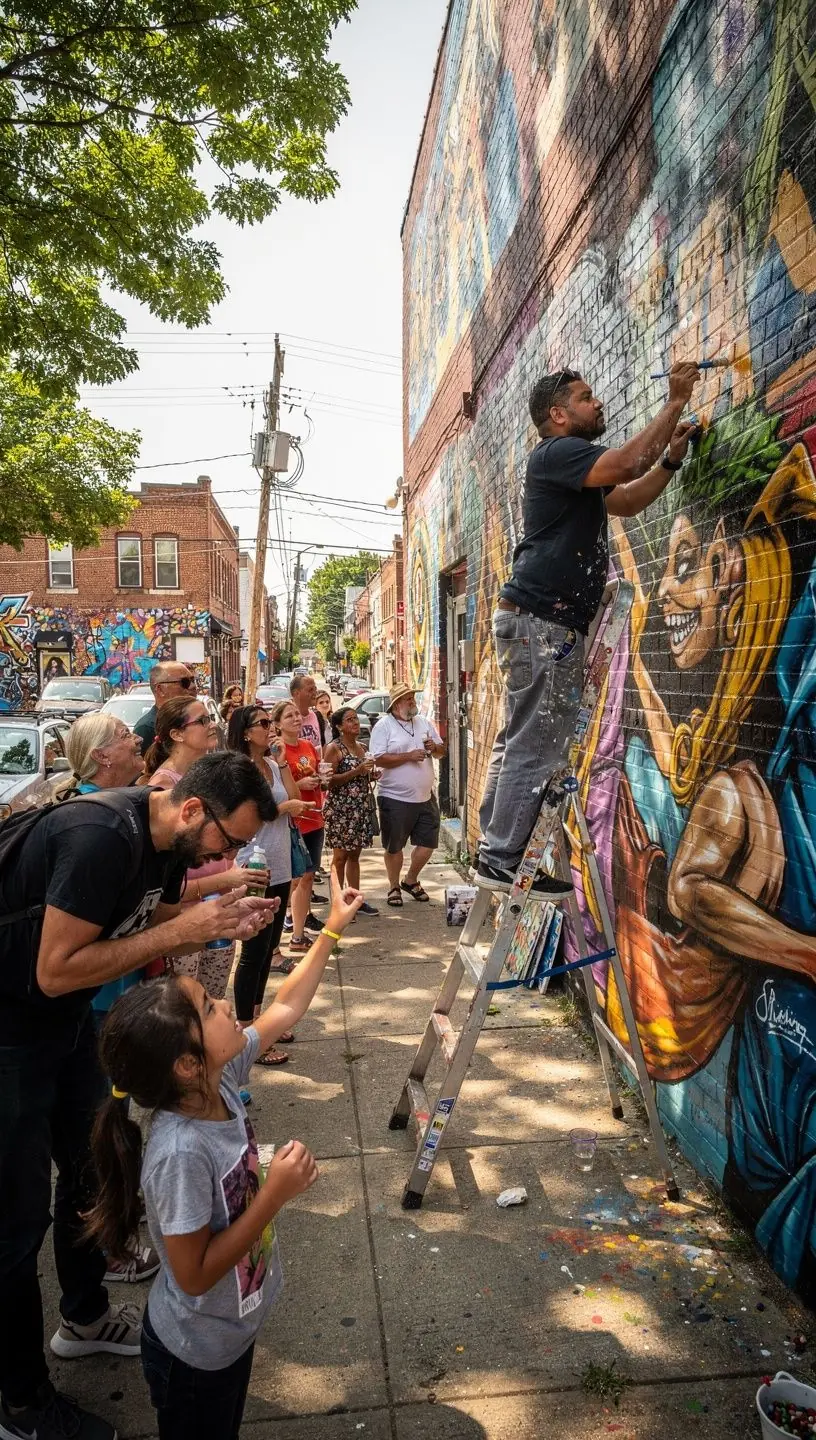
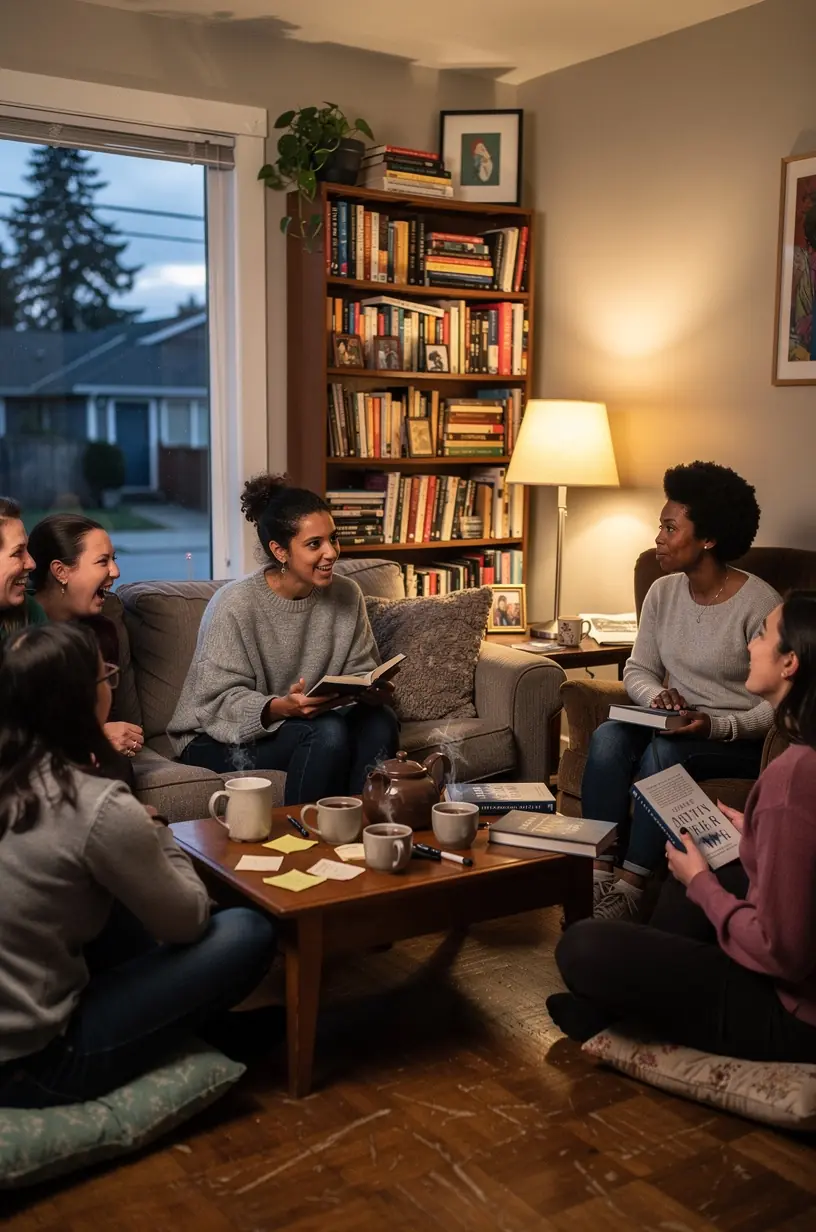
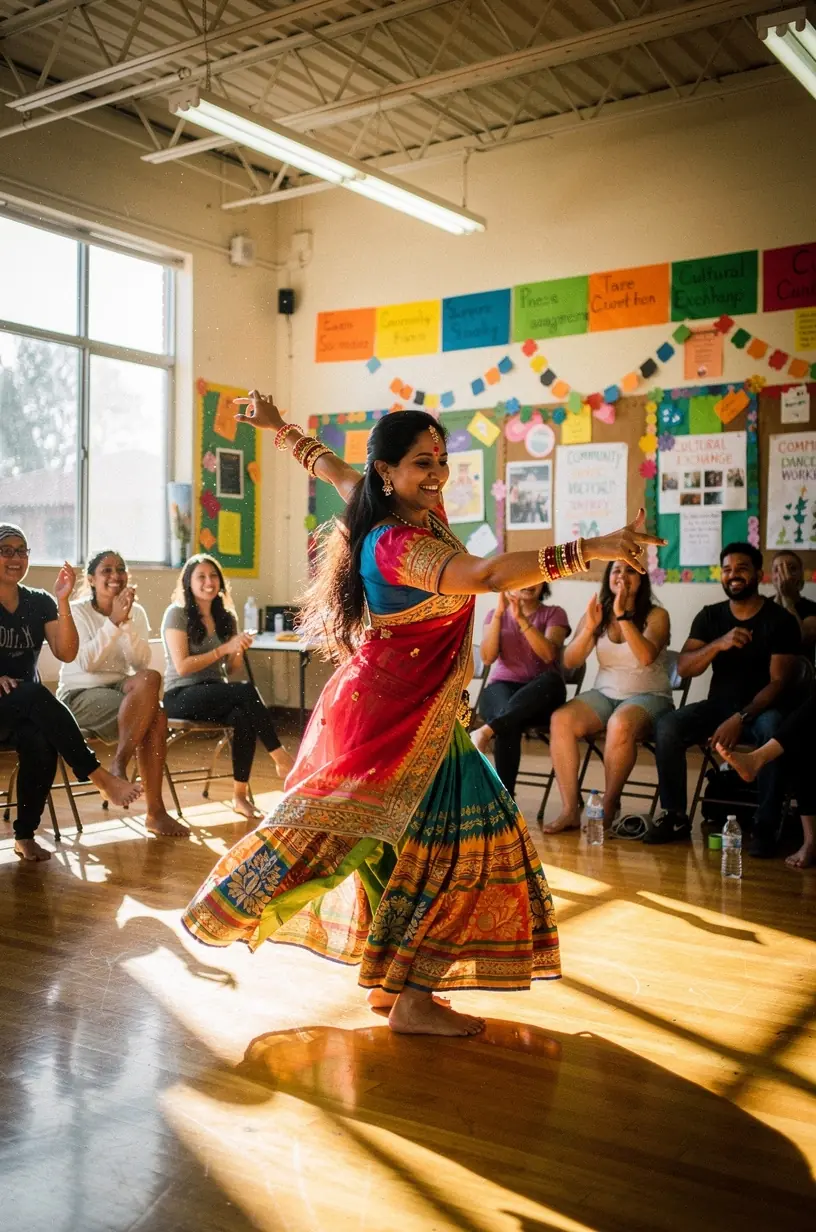
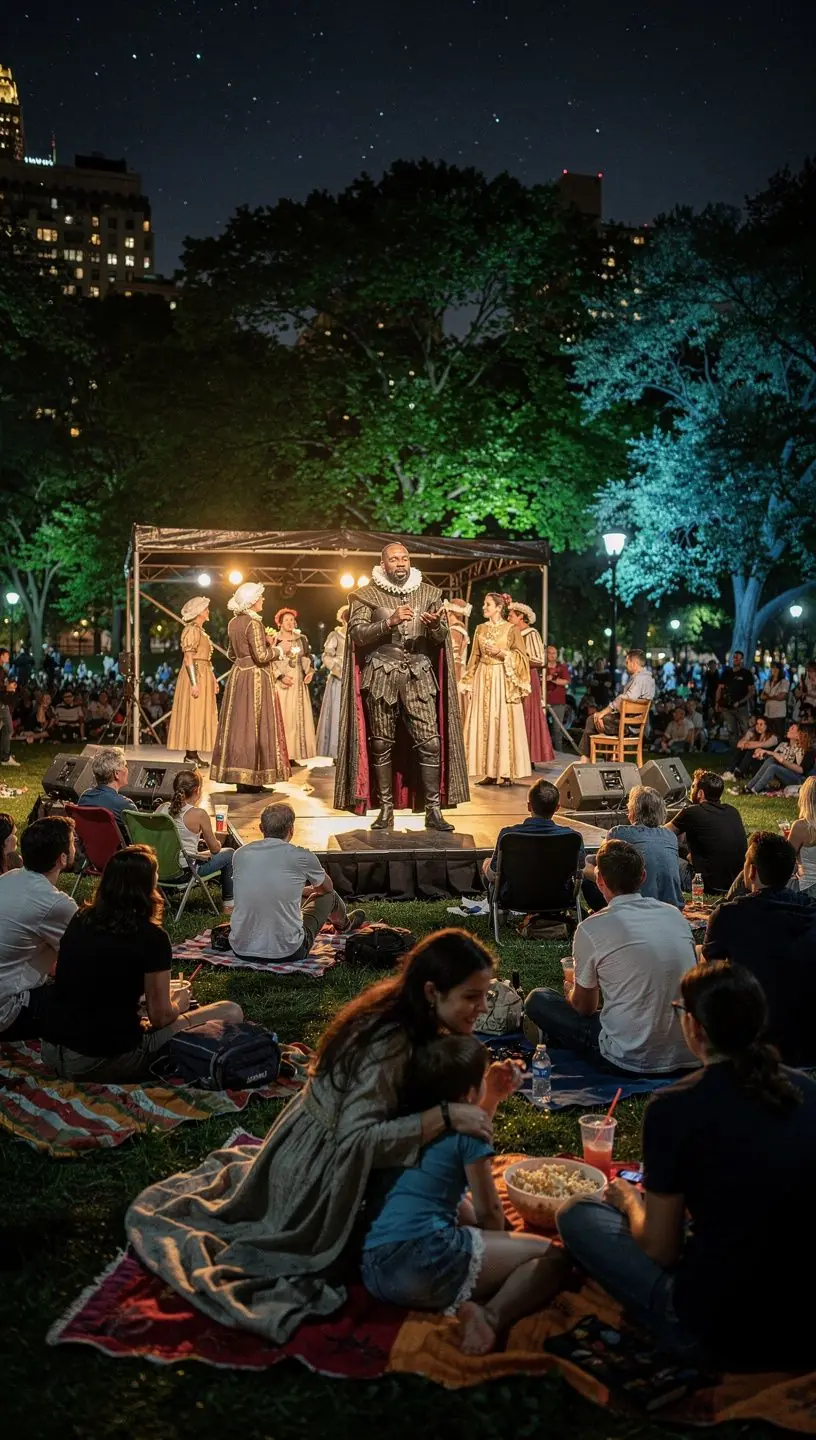
Participation in cultural events allows individuals to celebrate their identity while also fostering a sense of belonging within their communities. Studies show that participation can enhance community cohesion and promote mutual understanding among diverse groups. This is particularly important in the U.S., where cultural diversity is a hallmark of society. Engaging in local festivals, workshops, and collaborative projects often leads to meaningful interactions that transcend cultural barriers.
Benefits of Cultural Participation
- Enhanced Community Bonds: Participating in shared cultural experiences can strengthen social ties, improving community resilience.
- Increased Awareness: Events that celebrate various cultural identities can raise awareness and appreciation among different community members.
- Personal Growth: Many individuals report that engaging in cultural activities has enriched their understanding of themselves and others.
Challenges to Participation
While the benefits of cultural engagement are evident, there are challenges that can hinder participation. Barriers such as economic constraints, lack of accessibility, and societal perceptions can limit involvement in cultural events. Experts recommend creating inclusive environments that actively encourage participation from all community members, reflecting the diverse tapestry of cultural backgrounds.
Strategies for Overcoming Barriers
- Community Outreach: Initiatives that reach out to underrepresented groups can foster participation and inclusion.
- Accessibility Improvements: Ensuring events are accessible to individuals with disabilities or those from economically disadvantaged backgrounds is crucial.
- Collaborative Planning: Involving community members in the planning process of cultural events can lead to more relevant and engaging experiences.
Conclusion
Engaging in cultural activities is a powerful way to celebrate and express identity, fostering connections within diverse communities. By understanding the intersection of cultural identity and participation, stakeholders can create more inclusive environments that encourage active involvement. As the landscape of cultural engagement continues to evolve, promoting participation is essential for building resilient and interconnected communities across the United States.