Practical Guide to Organizing Local Cultural Festivals
Organizing a local cultural festival can be an exciting yet challenging endeavor. With proper planning and execution, these events can enrich communities by celebrating diversity, fostering engagement, and showcasing local talent. This guide offers practical insights and steps to help you navigate the process.
Understanding the Basics
When organizing a cultural festival, it's essential to start with a clear vision. Research indicates that defining your festival's purpose—whether it’s to celebrate a specific culture, promote local artists, or raise awareness about a social cause—can significantly enhance community engagement. Experts recommend involving local stakeholders early in the planning process to gather support and insights that reflect the community's interests.
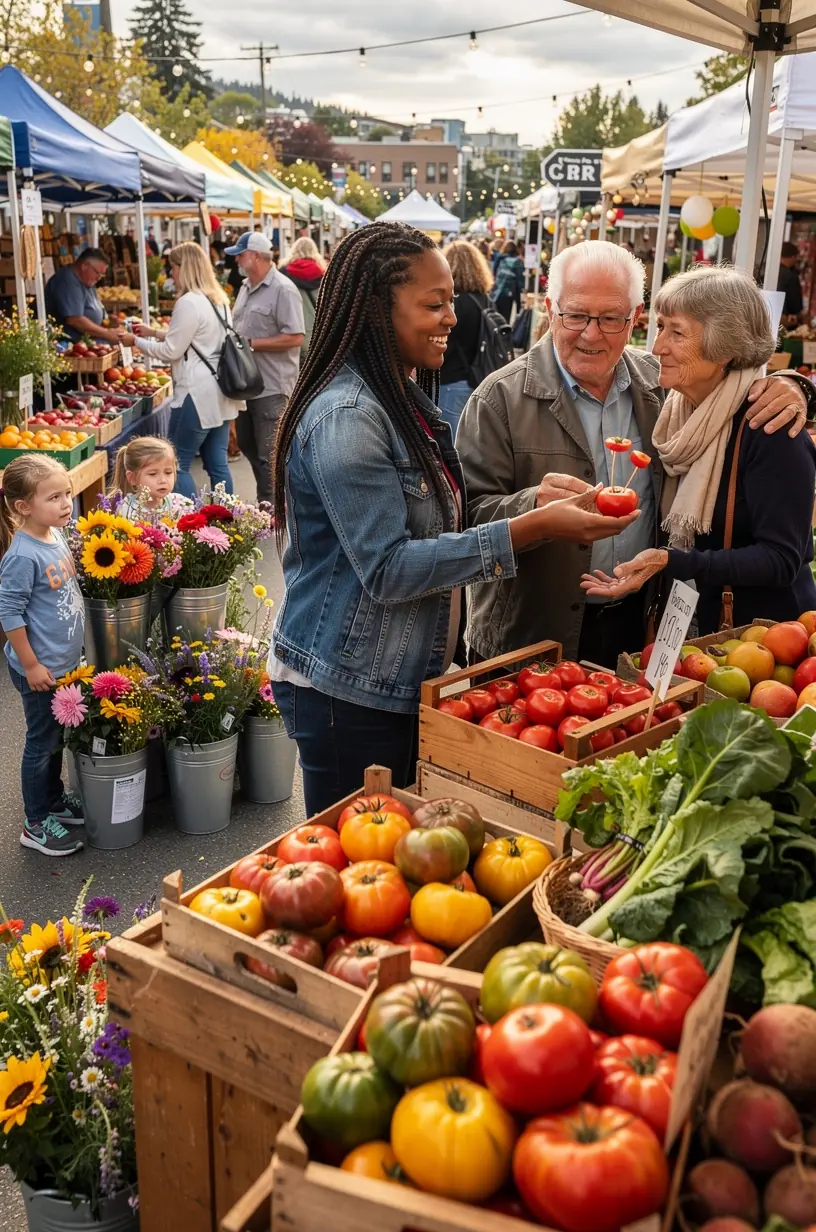
"Community involvement is crucial; it not only enriches the festival but also ensures it meets the needs of the people it serves." - Local Event Coordinator
Step-by-Step Process for Organizing a Festival
Here is a structured approach to organizing a successful cultural festival:
- Define Your Objectives: Clearly outline what you hope to achieve. This could range from promoting cultural heritage to boosting local tourism.
- Budget Planning: Creating a detailed budget typically involves estimating costs for venues, permits, marketing, and entertainment. Most festivals report that initial costs can vary widely, but it's advisable to plan for at least several months of funding.
- Choose a Suitable Location: The venue should be accessible and accommodating for expected attendees. Research shows that outdoor venues often attract larger crowds but may require additional logistical considerations such as weather contingencies.
- Engage Local Talent: Involving local artists, musicians, and chefs not only supports the community but can also enhance the festival's authenticity.
- Promote Your Event: Utilize social media, local newspapers, and community boards to spread the word. Many organizers find that consistent engagement online can increase attendance by up to 30%.
- Gather Feedback: After the festival, collect feedback from attendees and participants. This can provide valuable insights for future events and help identify what worked well and what could improve.
Challenges and Considerations
While organizing a festival can be rewarding, it also comes with its challenges. Time commitments can be significant; many organizers report that planning takes at least 3-6 months. Additionally, festival success typically involves navigating complex logistics, including permits, safety regulations, and insurance requirements.
It's important to acknowledge that not all festivals will meet every expectation. Factors such as weather, attendance, and community engagement can vary. For instance, festivals that occur in inclement weather may experience lower turnout, which is why having contingency plans in place is advisable.
Conclusion
In conclusion, organizing a local cultural festival requires careful planning, community involvement, and adaptability. By setting clear objectives and engaging with local stakeholders, you can create an event that not only celebrates culture but brings the community together. Remember, while challenges may arise, the potential benefits to community spirit and local pride are significant.
Discover More